Chimeric antigen receptor T cells against the IGHV4-34 B cell receptor specifically eliminate neoplastic and autoimmune B cells
Ivan J. Cohen*, Audrey C. Bochi-Layec*, Jean Lemoine*, Scott Jenks, Pedram B Bayat, and 46 more authors
Science Translational Medicine, 2026
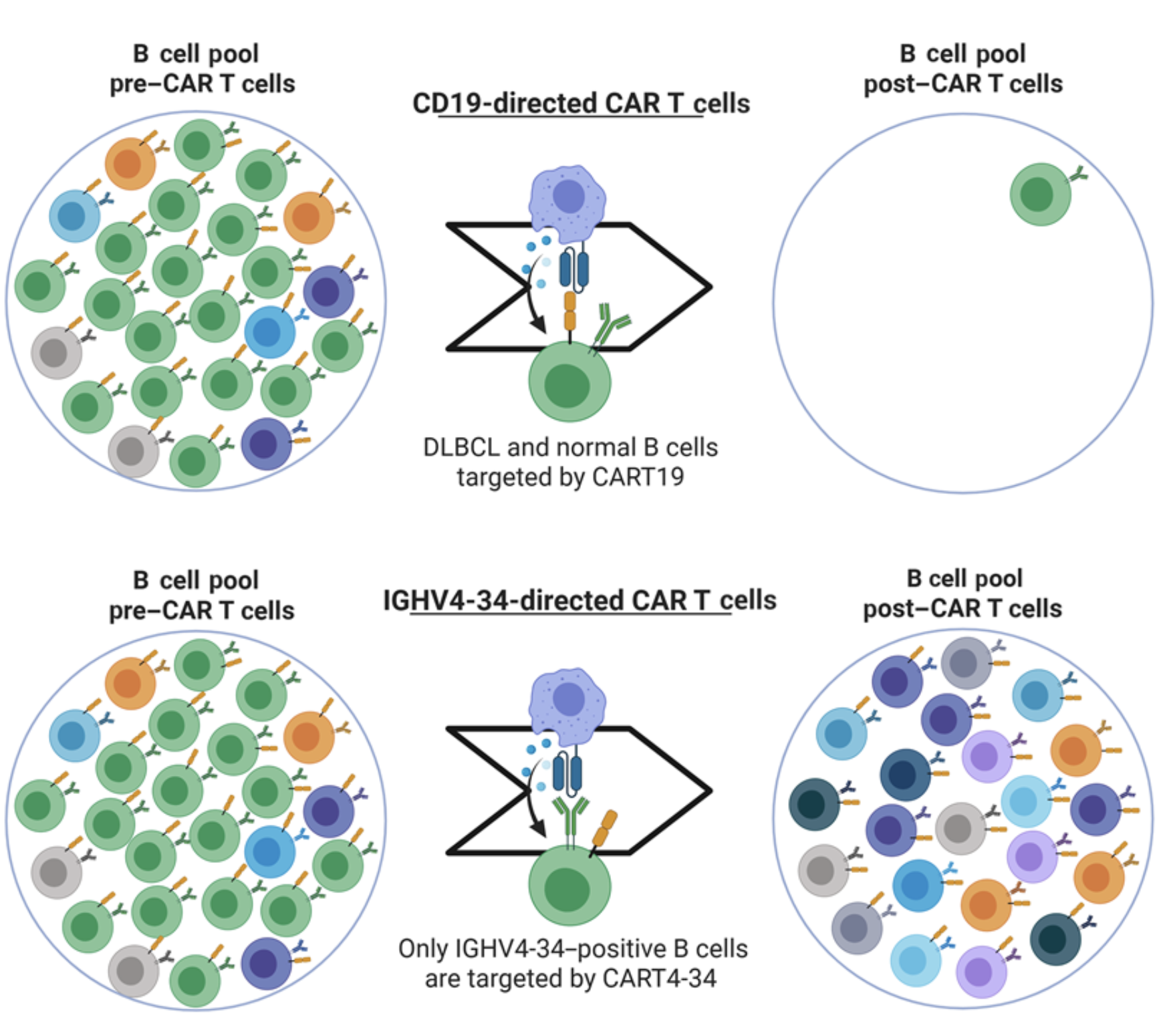
Current US Food and Drug Administration–approved chimeric antigen receptor (CAR) T cell therapies for B cell leukemias and lymphomas target CD19, which is widely expressed across the B cell lineage, often leading to on-target, off-tumor B cell depletion, prolonged immune suppression, and antigen-negative escape in a subset of patients. In contrast, B cell receptor (BcR) signaling is essential for the survival of most mature B cell neoplasms, and BcRs carrying the immunoglobulin heavy variable gene IGHV4-34 are highly enriched in B cell malignancies compared with normal B cells. Further, self-reactive IGHV4-34+ serum autoantibodies are enriched in aggressive systemic lupus erythematosus (SLE) and other autoimmune diseases. Here, we developed CAR T cells targeting the BcR carrying IGHV4-34 (CART4-34). We found that CART4-34 showed specific cytotoxicity and cytokine secretion toward IGHV4-34+ malignant B cells. In addition, although CD19 was down-regulated upon relapse after treatment with CART19, IGHV4-34+ BcR levels remained intact upon relapse after treatment with CART4-34, suggesting reduced risk of antigen-negative escape. In IGHV4-34+ HBL1 cell line–derived xenograft mouse models, CART4-34 showed robust expansion and antitumor activity comparable to those of CART19. Optimized CAR:BcR binding using shorter CAR hinge domains improved immune synapse morphology and in vivo activity. In addition, we showed that CART4-34 could target human IGHV4-34+ SLE B cells and deplete IGHV4-34+ autoantibodies ex vivo, without targeting healthy B cells or affecting total IgG titers. In conclusion, we developed a CAR T cell product that specifically targets pathogenic B cells in lymphoid malignancies and SLE, offering potential for precision cell therapy for these indications. CAR T cells against the IGHV4-34 B cell receptor specifically target pathogenic B cells in both lymphoproliferative neoplasms and lupus. Chimeric antigen receptor (CAR) T cell therapies for B cell malignancies currently target CD19; however, CD19 is widely expressed across the B cell lineage, resulting in killing of nonmalignant B cells and prolonged immune suppression, and some patients develop antigen-negative escape. Here, Cohen and colleagues showed that the immunoglobulin heavy-chain variable gene IGHV4-34 is expressed in a substantial portion of B cell malignancies and then developed and optimized CAR T cells targeting B cell receptors carrying IGHV4-34 (CART4-34). In mice, optimized CART4-34 demonstrated similar efficacy to CAR T cells against CD19, with in vitro data supporting preservation of nonmalignant B cells and reduced risk of antigen-negative escape. CART4-34 also targeted pathogenic B cells from patients with systemic lupus erythematosus (SLE) without affecting the overall B cell population, altogether highlighting the potential of CART4-34 therapy for patients suffering from IGHV4-34+ malignancies and SLE. —Melissa L. Norton
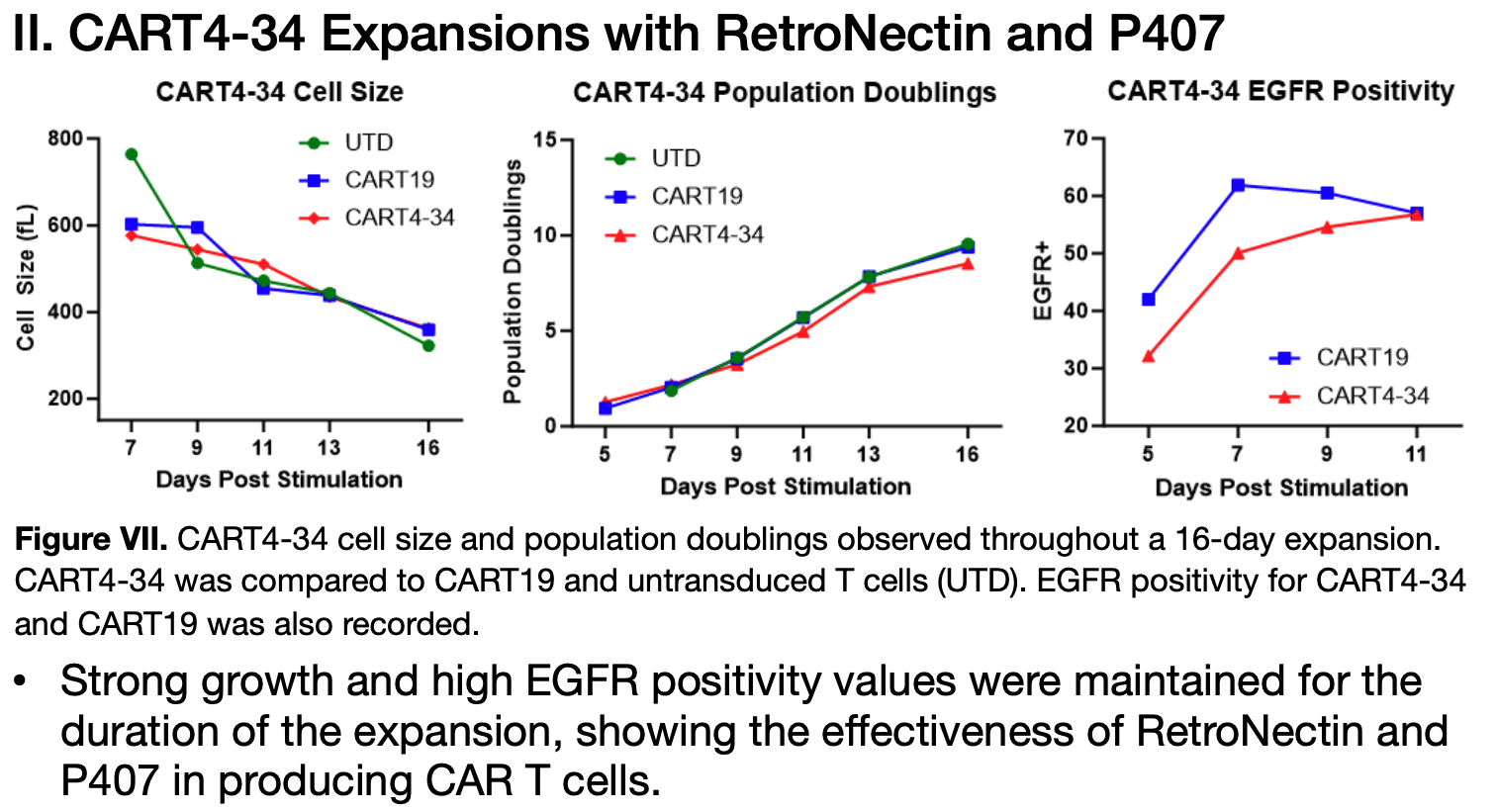 Enhancing Transduction Efficiency of Chimeric Antigen Receptor T Cells With RetroNectin and Poloxamer 407In University of Pennsylvania CURF Fall Research Expo, Sep 2024
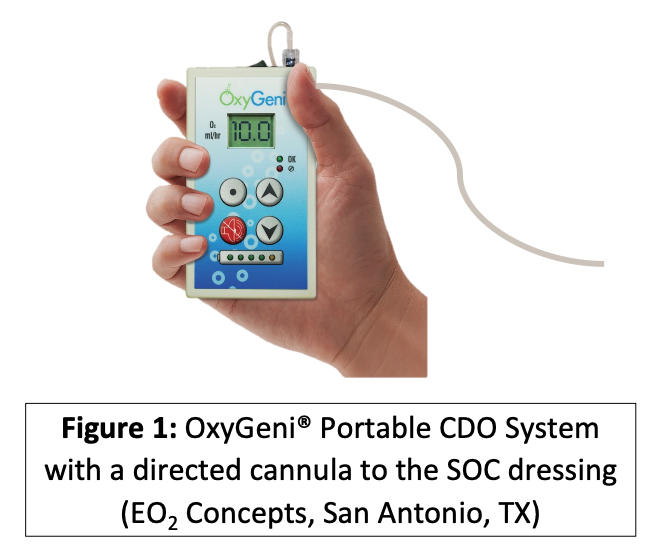 The Effect of Continuous Diffusion of Oxygen Adjunct Therapy for Surgically Closed Wounds in Ischemic Diabetic Foot Patients - A Pilot Randomized Controlled Trial StudyIn Diabetic Foot Conference, Sep 2022